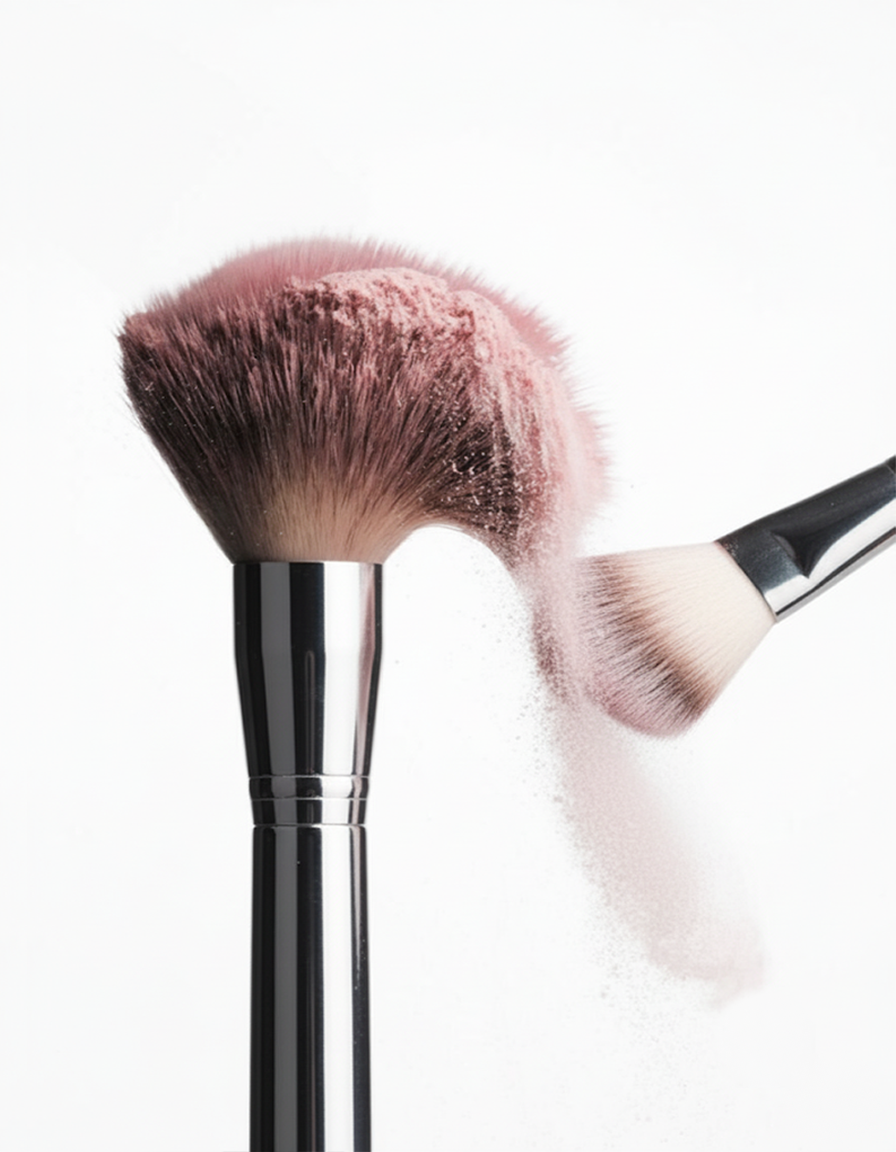
Our skins' natural flora has a spectrum of microorganisms, some of which can be deadly: Beta-lactam antibiotic-resistant strain e.g., MRSA, can cause serious ongoing health issues. Common infections include eye-infections, skin-infections, oral herpes and more, with some patients having to live with life-long consequences of preventable diseases had hygiene systems been available.
From fungal infections, skin breakouts, clogged pores, to the horrifying case of Jo Gilchrist. She contracted an aggressive staphylococcus infection from a dirty makeup brush that almost killed her and left her paralysed. If the infection had reached her brain, it would have been fatal – and she is one of many. She contracted MRSA by borrowing her friend's used makeup-brush, who had a Staphylococcus infection in her face. She’s now paralysed from waist down, and is learning to walk again.
Anthea Page, Katie Wright, Laura Hawkins, Tammeka Hill and Starkeema Greenidge contracted eye-infections, skin-infections, oral herpes and more, living with life-long consequences of preventable diseases had hygiene systems been available.
Current solutions are solvent based, or single use disposable applicators.
On average, it takes 500ml of acetone/IPA to clean 20 brushes. British Beauty Council estimates 550,000 employed in beauty sector, equating daily to 150,000,000ml of potential chemical contamination of water system/environment.
- Cross Contamination: Risks of cross-contamination between clients or from client to makeup artist via transmission of harmful microorganisms that disrupt natural skin flora, can be devastating to health and can even cause irreversible damage.
- User frustration: Efforts to clean makeup brushes, long drying times, chemical use, threat of infection, size/weight of kit.
- Chemical Free: Current solutions are solvent based, or single use disposable applicators. British Beauty Council estimates 550,000 employed in beauty sector. This creates 150,000,000ml of potential chemical contamination of water systems and the wider environment.
- Waste Reduction: Estimated over 45 million kgs of disposable waste is generated per annum from professionals alone, not including the domestic market with ~31.5M users contributing.
We understand that keeping skin safe is not only a crucial beauty step, but a healthcare necessity.